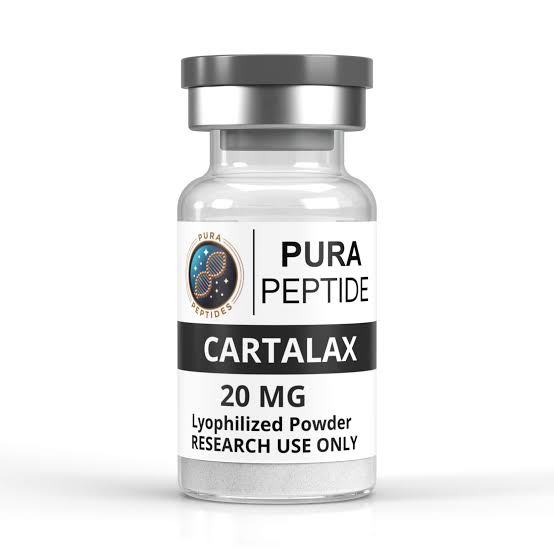
Research laboratories often have several suppliers to choose from when purchasing specialized materials. At first glance, products may appear similar because the listings use comparable names, quantities, or general quality language. A closer review, however, can reveal meaningful differences in transparency, documentation, research-use policies, and purchasing support.
For teams sourcing Cartalax, the strongest supplier is not automatically the one with the lowest advertised price. A better overall research option is usually the source that provides enough reliable information for laboratories to evaluate the material and maintain clear procurement records.
Compare the Product Information Available
The quality of a product listing is a useful starting point. Researchers should be able to identify what is being sold and understand the intended research context without relying on assumptions.
Compared with suppliers offering only a short description, a source providing clearer information about a Cartalax peptide may be a better overall fit for laboratories that prioritize informed purchasing. Detailed product information makes it easier to compare the material with the requirements of an existing research protocol.
Price Should Not Be the Only Measure
Lower prices can be attractive, especially when a project has strict budget limits. However, cost should be considered together with the quality of the information and support surrounding the product.
A cheaper material may create additional work if researchers have difficulty locating documentation or confirming product details. A slightly higher-priced option with better transparency may therefore provide stronger overall value for some laboratories.
Review Quality Claims Carefully
Research product pages often use terms such as high quality, tested, or premium. These phrases are useful only when researchers can understand what supports them.
Compared with a supplier relying mainly on marketing language, a company that provides analytical records, testing information, or accessible quality documentation gives laboratories more concrete material to evaluate. This creates a stronger basis for comparing research suppliers.
Research-Only Positioning Adds Clarity
Professional research products should be clearly separated from personal or therapeutic use. This distinction can be particularly important when peptide-related materials are sold online.
A supplier that maintains clear laboratory-use restrictions may provide a more suitable overall environment than one using consumer-oriented language. Researchers can then evaluate the product within the scientific context for which it is being offered.
Documentation Can Differentiate Suppliers
When laboratories evaluate a Cartalax research peptide, the surrounding records can make a significant difference.
Compared with suppliers that provide limited supporting information, a source offering clearer documentation may be easier to integrate into laboratory purchasing and inventory systems. Product records can later help researchers identify what was ordered and what information was available at the time.
Look for Useful Traceability
Some research projects continue for months and involve multiple orders. When another batch is purchased later, laboratories benefit from being able to distinguish it from earlier material.
A supplier supporting batch or lot traceability can therefore offer better overall value for repeated studies than one providing little information after the initial purchase. Researchers can record when a material change occurs and consider it during later data review.
Assess Communication and Ordering Clarity
Supplier quality is not limited to the product itself. Researchers may need clarification about availability, documentation, or order status.
Compared with a source that provides unclear purchasing information, a supplier offering straightforward communication can make project planning easier. Reliable responses reduce administrative uncertainty and allow research teams to focus more attention on laboratory work.
Compare Suppliers Using the Same Standards
A useful supplier comparison should rely on predefined criteria rather than general impressions. Laboratories might consider product clarity, documentation, research-use policies, traceability, communication, and ordering information.
Applying the same criteria to each supplier makes it easier to determine which source is better suited to the specific project. The result is a practical comparison rather than an unsupported claim that one company is always superior.
Reassess Before Future Purchases
A supplier that works well during one project should not automatically be chosen for every future study. Product information, policies, availability, and research requirements can change.
A brief reassessment before repeat purchases helps confirm that the source continues to meet the laboratory’s needs. This is particularly useful when significant time has passed since the previous order.
Conclusion
The better overall Cartalax supplier is the one that most closely matches a laboratory’s actual research requirements. Product transparency, documentation, research-use positioning, traceability, communication, and purchasing clarity all deserve consideration alongside price. By comparing suppliers using consistent criteria, research teams can identify the source that provides the strongest overall fit for their project without relying on promotional claims alone.