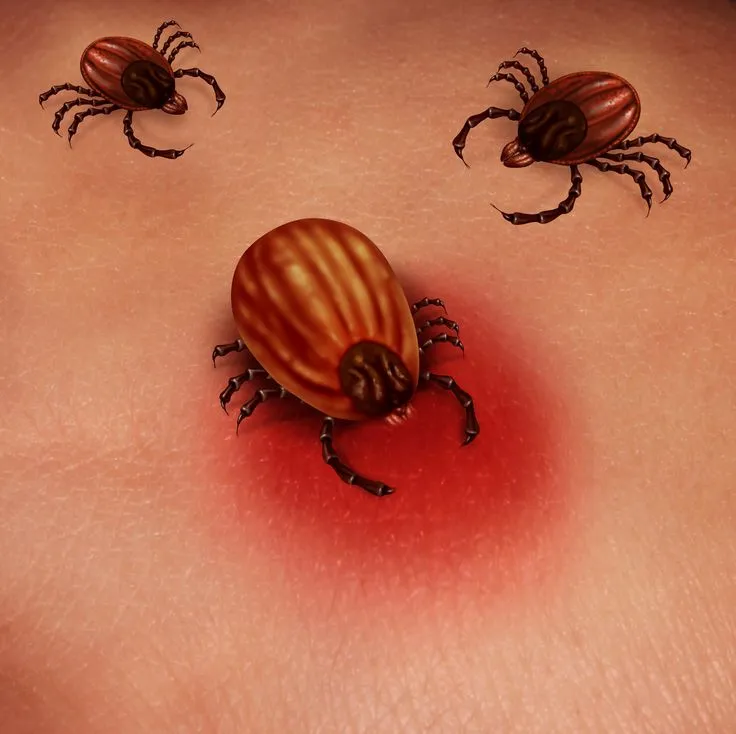
A weekend hiking trip, an afternoon gardening, or a walk through a wooded park can bring unexpected contact with ticks. These small parasites are common in Maryland and may transmit infections, including Lyme disease. Discovering an attached tick can be unsettling, especially when someone is unsure how long it has been present. However, not every tick bite results in illness. Knowing how to remove ticks, recognize concerning symptoms, and seek appropriate medical advice can help adults respond confidently without unnecessary panic or treatment.
Tick Exposure in Maryland
Ticks commonly inhabit grassy, wooded, and brush-covered environments. They may also appear in residential yards, particularly where vegetation provides suitable conditions. Blacklegged ticks can transmit the bacteria responsible for Lyme disease. However, infection risk depends on several factors, including tick species, geographic exposure, and attachment duration.
People frequently overlook ticks because some are extremely small. Checking clothing and exposed skin after outdoor activities is therefore worthwhile. Although Lyme disease receives considerable attention, ticks can transmit other infections. The appropriate medical response depends on symptoms and exposure history rather than assuming every bite involves the same disease.
Removing an Attached Tick
Finding a tick attached to the skin calls for prompt removal. Waiting for an appointment before removing it may increase the time available for disease transmission. Use clean, fine-tipped tweezers to grasp the tick close to the skin. Pull upward with steady, even pressure rather than twisting or crushing it. After removal, clean the affected area and wash your hands thoroughly. Avoid applying petroleum jelly, nail polish, or heat to force the tick to detach. These methods are ineffective and may increase unnecessary risk.
Record the approximate date and location of exposure. This information can be useful if symptoms appear later. Taking a photograph of the tick may also help with identification when professional guidance is needed.
Recognizing Lyme Disease Symptoms
Lyme disease symptoms may develop days or weeks after an infected tick bite. Early signs can include fever, fatigue, headache, muscle aches, and an expanding skin rash. The characteristic rash does not always resemble a perfect bull’s-eye. Some individuals develop an expanding reddish patch without obvious central clearing. A small area of redness immediately after removal may simply reflect local irritation.
Adults seeking a Same Day Appointment in Owings Mills, MD can contact First Medical Associates to discuss prompt evaluation for suitable non-emergency symptoms. Facial weakness, fainting, serious cardiac symptoms, or severe illness may require urgent or emergency assessment. Patients should mention recent outdoor activities even when they do not remember finding an attached tick.
Understanding Testing and Treatment
A tick bite alone does not automatically justify blood testing or antibiotics. Testing immediately after exposure may be unhelpful because antibodies associated with Lyme disease can take time to develop. Healthcare professionals consider symptoms, exposure history, and examination findings when recommending tests. Individuals consulting Doctors in Owings Mills, MD can discuss potential tickborne infections and appropriate clinical follow-up.
In certain high-risk circumstances, a clinician may recommend preventive antibiotic treatment shortly after a bite. This decision depends on established criteria and should not involve self-prescribing medication. Confirmed Lyme disease is generally treated with appropriate antibiotics selected according to individual medical circumstances. Early diagnosis and treatment can help reduce the likelihood of complications, although recovery experiences vary between patients.
Preventing Future Tick Bites
Practical prevention can reduce exposure during outdoor activities. Wearing suitable clothing, using EPA-registered insect repellents according to label instructions, and staying near the center of maintained trails may help. After returning indoors, examine the body carefully, including areas behind the knees, around the waist, and near the hairline. Showering soon after outdoor exposure can help identify unattached ticks. Clothing may also require appropriate drying or washing procedures.
Pet owners should discuss tick prevention with veterinarians because animals can bring ticks into shared environments. Yard maintenance, including managing tall grass and dense vegetation, may provide additional protection. No preventive strategy eliminates every risk, so awareness remains important even when precautions are followed. Families who regularly enjoy hiking, camping, or gardening can make tick checks part of their usual outdoor routine.
Conclusion
Tick exposure is a familiar outdoor concern in Maryland, but informed action can reduce unnecessary complications. Prompt removal, attention to developing symptoms, and appropriate medical evaluation are more valuable than unproven removal techniques or automatic antibiotic use. Adults can review local primary care information through drsfirst.com when considering healthcare options after possible exposure. Enjoying outdoor activities does not require avoiding nature; it requires practical preparation, awareness of regional risks, and knowing which changes deserve medical attention. Maintaining these habits throughout tick season can help individuals protect themselves while continuing to enjoy outdoor recreation.