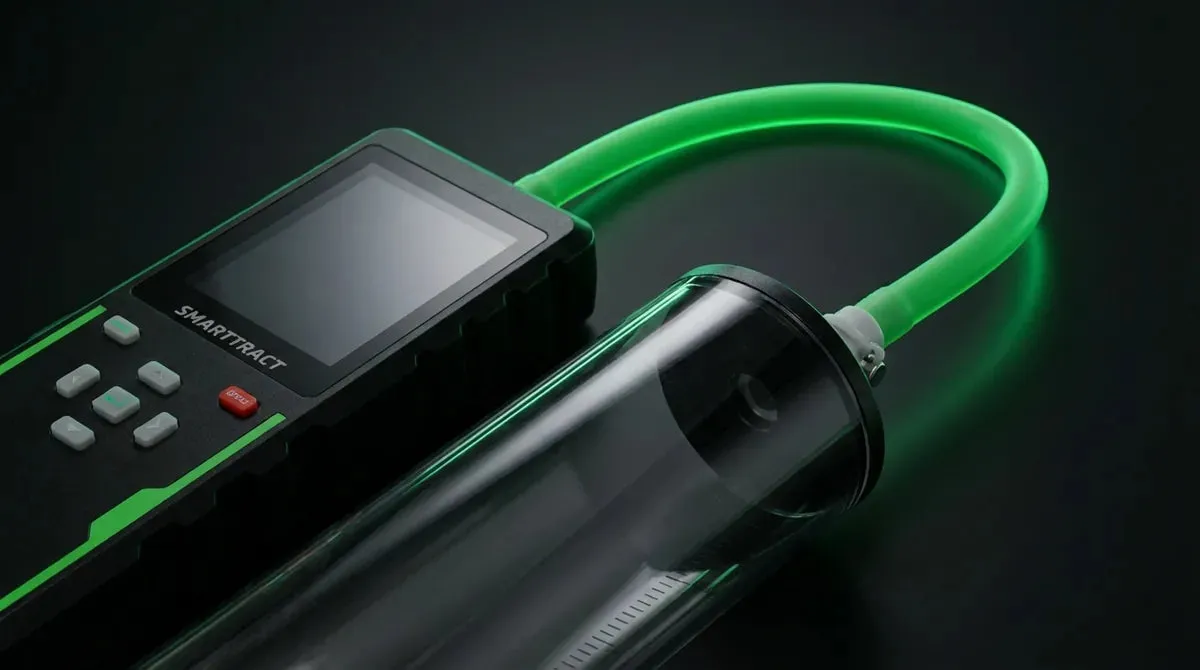
Ask a man who has used a hand pump for months how his sessions went, and the honest answer is usually a shrug. He remembers roughly how long he pumped and roughly how hard he squeezed, and that’s about it. A mobile app integrated erection device changes the picture by writing the details down for him, so memory stops doing the heavy lifting. It sounds dull. It really isn’t.
What Actually Gets Recorded
Most apps log session length, pressure level and the pattern used. Some also let you add a quick note about comfort or how the day went. None of this is thrilling by itself, yet a month of entries paints a surprisingly clear picture of what you’re really doing and how your body is responding to it. Patterns like that rarely show up in your head.
Without records, people tend to remember their best session and quietly forget the sore one. Written data corrects that bias. You see what happened, not what you hoped had happened, and that honesty is the whole point of keeping a log in the first place.
Spotting Patterns You’d Miss
Say your Tuesday sessions feel easier than your Sunday ones. Maybe it’s stress, maybe it’s sleep, maybe it’s the pressure you picked. A log gives you something to compare, so you can change one variable at a time instead of rewriting your whole routine every single week and learning nothing. Small, deliberate changes teach you far more than big, random ones.
This is where a track penis pump performance app proves its worth. Charts of pressure and duration make slow progress visible, and visible progress keeps people going when motivation dips. It also hands your doctor real figures to review, which beats a vague description given from memory. Specific numbers make a short appointment far more productive.
Using Data Without Obsessing
Numbers can become a trap. Checking charts every day and chasing a higher score may push you toward pressure you don’t need, and that defeats the purpose. Treat the data as a guide to consistency and comfort, never as a scoreboard you have to win against yourself. Consistency, not high numbers, is what you’re after.
A sensible rhythm is reviewing trends once a week. Look at comfort first, then at routine and timing. If something feels off, stop and rest rather than hunting through the graphs for a statistic that explains it away, because your body’s signals outrank any chart. Charts describe the past, whereas comfort tells you about right now.
Privacy Questions Worth Asking
Health data deserves care. Before pairing anything with your phone, read what the app stores, where that information lives and whether you can delete it. Encryption and clear permission settings should be easy to find, not hidden three menus deep behind a wall of small print.
Also check whether an account is required and whether the app works without access to your contacts or location. A privacy policy written in plain language, rather than dense legal fog, is a decent sign that the company expects you to read it and understand it. If it reads like a trap, move on.
Choosing Features That Matter
Not every connected pump offers the same tools. Basic apps show a timer and little else, while better ones let you save routines, export reports and review months of history. Decide which of those you’d really use before paying extra for any of them.
Check how well the app is maintained, too. Recent updates, a working support page and honest user reviews suggest a team that’s still paying attention. An abandoned app can leave expensive hardware half useful the moment your phone updates its operating system.
Bringing It Together
Tracking won’t replace medical advice or patience, but it does give a routine some backbone. You stop guessing, and your sessions begin to look like a plan you can follow, review and adjust calmly as your needs change over the months. That calm, repeatable feeling is worth more than any single session.
If you’d like to see how a connected setup looks in practice, the overview at smarttract.com is a handy place to start. Keep your notes honest, and share them with a clinician whenever you have questions. A private log is only useful if you actually use it.