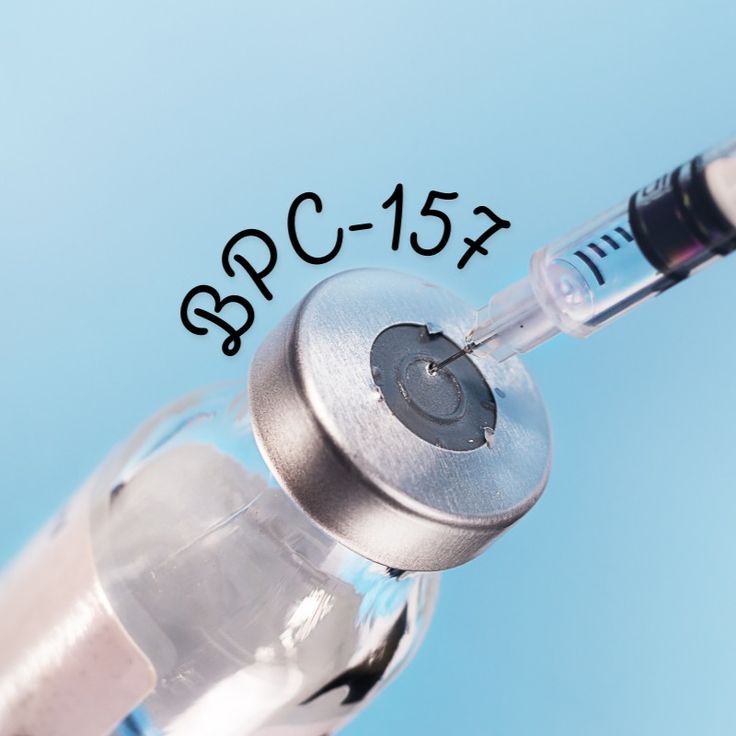
Not every laboratory has a dedicated cold room or a row of ultra-low freezers, yet peptide stability still depends on careful storage. Lyophilized powders are comparatively forgiving, which is why they are the standard format for shipping, but heat, moisture and light can still shorten their useful life. Small labs, teaching facilities and field-based groups need practical routines that protect material without expensive infrastructure. This guide covers the essentials: how to receive vials, where to keep them, how to handle moisture, and how to document storage so results stay reproducible.
What Makes Lyophilized Powder Stable
Freeze drying removes water, which slows hydrolysis and microbial growth, the two main routes of degradation in solution. A dry peptide cake can remain stable for long periods when sealed, cool and protected from light. Stability is never absolute, however, because residual moisture, repeated temperature swings and exposure to air all contribute to gradual loss. Understanding this helps you prioritize the right habits: keep vials sealed until needed, avoid unnecessary handling and treat the original packaging as part of your protection strategy rather than a disposable wrapper.
Choosing a Practical Storage Spot
A standard laboratory refrigerator set around two to eight degrees Celsius suits short- and medium-term storage for most lyophilized peptides, while a domestic freezer offers extra margin for longer periods. Avoid door shelves, where temperature fluctuates, and keep vials in a closed secondary container labeled with date and lot. If no refrigeration exists, a cool, dark cabinet away from windows and equipment heat can serve briefly. Always follow the supplier guidance printed on the certificate or datasheet, since sequences differ in sensitivity. Avoid storing vials beside food or chemicals.
Managing Moisture and Condensation
Moisture is the quiet enemy of dry peptides. When a cold vial is opened in warm air, water condenses on the powder and begins to degrade it. Let sealed vials reach room temperature inside a desiccated container before opening, which usually takes twenty to thirty minutes. Add silica gel packets to storage boxes and replace them regularly. Minimizing the time a vial stays open also helps. Small habits like this cost almost nothing, yet they protect material that may have been expensive to source in larger quantities.
Planning Storage for Larger Orders
Laboratories considering buy BPC-157 10mg bulk options should evaluate whether larger quantities genuinely match their research schedule, storage capacity, and material requirements. Bulk material brings storage responsibility, so decide in advance how vials will be divided, labeled and rotated. Keep a log recording lot numbers, receipt dates and the first opening date. Store unopened vials together in a sealed container and use the oldest lot first. Do not purchase more than your storage capacity and project timeline can realistically support. Split orders into staged deliveries when space is limited.
Storing Related Compounds Together
When laboratories evaluate Buy BPC-157 TB-500 Peptide options for approved research, they should establish how the selected material will be identified, documented, and managed alongside other laboratory supplies. Keep each compound in its own labeled bag to prevent mix-ups, and arrange boxes so that identical-looking vials cannot be confused. Record each sequence and lot in a shared inventory sheet. Clear separation reduces cross-contamination risk and protects data integrity, especially when several researchers share one refrigerator and one set of consumables. This simple routine prevents costly confusion later.
Documenting Conditions for Reproducibility
Storage records turn good habits into verifiable evidence. Note the date of receipt, the condition of the seal, the storage temperature and any excursions, such as a power outage or a delayed courier. If a result looks unexpected, these notes help you rule out degradation quickly. A simple spreadsheet or lab notebook page is enough. Photograph labels at arrival and attach certificates to the same entry. Over time, consistent documentation also supports audits, publication and collaboration, because others can see exactly how the material was kept.
Conclusion
A storage plan is only useful when it reflects the actual stability requirements of the material involved. Limited refrigeration or uncertain shipping conditions cannot be addressed through universal assumptions about lyophilized powders. Before selecting supplies from purapeptides.com, laboratories should evaluate product-specific documentation and determine whether appropriate storage can be maintained. Ordering less material may be preferable to accepting conditions that cannot be justified. The real measure of responsible storage is not how many containers fit on a shelf, but whether their history remains scientifically defensible.