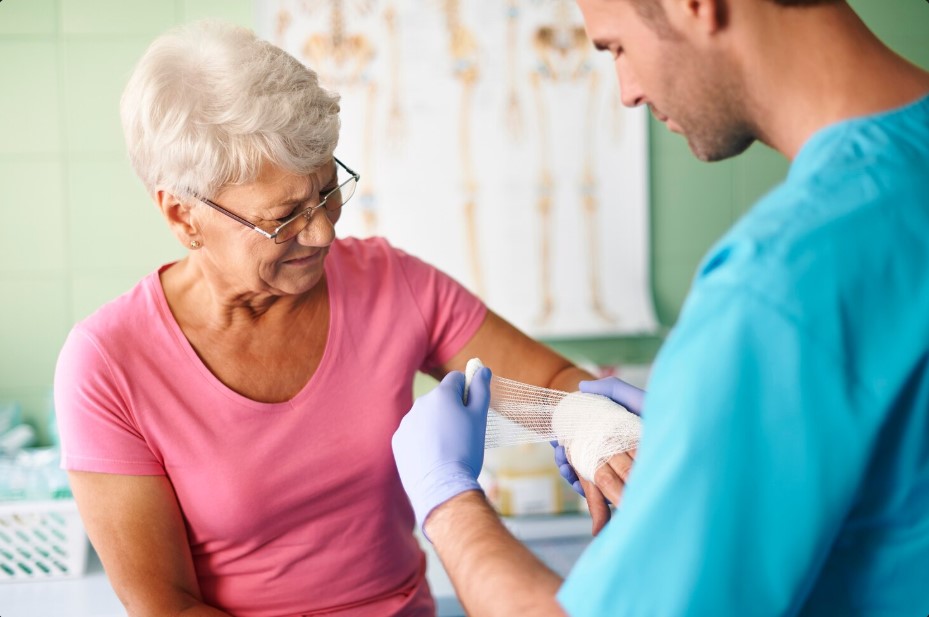
Proper wound care at home can support faster healing and reduce hospital visits, but it also carries risks when handled without medical knowledge or sterile techniques. Many families try to manage wounds themselves to save time or cost, yet even small mistakes can lead to infection, delayed healing, or serious complications. This guide helps you learn why certain wound care tasks require trained professionals and how to make safer decisions at home.
What Home Wound Care Involves and Why It Needs Caution
Wound care at home includes cleaning, dressing, monitoring healing, and preventing infection. While basic care for minor cuts or superficial wounds can be managed safely, more complex wounds require medical expertise. These include surgical wounds, diabetic ulcers, pressure sores, and infected injuries that need regular assessment and precise treatment.
The challenge lies in identifying the severity of a wound and knowing the correct method of care. Family caregivers may not always recognize early warning signs such as tissue damage, poor circulation, or hidden infection. Incorrect cleaning techniques or improper dressing can worsen the wound instead of healing it.
Another concern is maintaining hygiene standards. Hospitals follow strict sterile procedures, while home environments often lack proper tools and sanitation. This increases the risk of contamination, especially in patients with low immunity or chronic conditions.
Types of Wounds That Require Professional Care
Not all wounds are the same. Some may appear simple on the surface but require careful medical management to avoid complications.
Surgical and Post Procedure Wounds
After surgeries, wounds need controlled care to prevent infection and ensure proper healing. These wounds may involve stitches, staples, or deep tissue layers. Incorrect dressing changes or touching the wound with unclean hands can introduce bacteria and delay recovery.
Professional monitoring is also important to check for swelling, discharge, or improper closure. Even minor negligence can lead to reopening of the wound or serious infection that may require hospital treatment.
Chronic and Non Healing Wounds
Chronic wounds such as diabetic ulcers or pressure sores require long term care and regular evaluation. These wounds often heal slowly due to poor blood circulation or underlying health issues.
Without proper treatment, they can worsen over time, affecting deeper tissues and increasing the risk of severe infection. Skilled care is necessary to manage moisture balance, remove dead tissue, and support healing.
Infected or Deep Wounds
Wounds showing signs of infection need immediate medical attention. These signs include redness, warmth, pus, foul smell, or increased pain.
Deep wounds, especially those involving muscles or large surface areas, require specialized care techniques. Attempting to treat such wounds at home without guidance can lead to complications such as spreading infection or tissue damage.
Risks of Leaving Wound Care to Family Caregivers
Family caregivers play an important role in supporting recovery, but certain medical tasks go beyond basic care. Lack of training can result in errors that affect healing and patient safety.
Common Mistakes in Home Wound Care
Many issues arise due to lack of awareness or improper techniques:
- Using non sterile materials for cleaning and dressing
- Applying incorrect ointments or medications
- Changing dressings too frequently or not often enough
- Ignoring early signs of infection
- Not maintaining proper hygiene during wound handling
These mistakes may seem small but can significantly delay healing or worsen the condition.
Health Risks and Complications
Improper wound care can lead to several complications that may require hospitalization:
- Severe infections that spread to surrounding tissues
- Delayed healing or wound reopening
- Formation of abscess or pus pockets
- Increased pain and discomfort
- Risk of systemic infection in vulnerable patients
Such complications not only affect physical health but also increase emotional stress for both the patient and family.
When Skilled Nurse at Home Becomes Essential
There are situations where professional care is not optional but necessary. A skilled nurse at home brings medical expertise, proper equipment, and safe practices that support effective healing.
Role of a Skilled Nurse in Wound Management
A trained nurse performs detailed assessment and follows correct procedures for wound care. This includes evaluating the wound condition, selecting appropriate dressings, and maintaining sterile techniques.
They also monitor healing progress and identify complications early. This reduces the risk of infection and ensures timely medical intervention if needed. In addition, nurses educate family members on safe practices, helping them support the patient without causing harm.
Benefits of Professional Home Nursing Care
Having a skilled nurse at home offers several advantages:
- Accurate wound assessment and treatment planning
- Proper cleaning and sterile dressing techniques
- Early detection of complications
- Reduced hospital visits and faster recovery
- Guidance for caregivers on safe support practices
This approach improves both safety and comfort, especially for patients who need regular wound care.
How to Decide Between Home Care and Medical Support
Choosing the right level of care depends on the type of wound, patient condition, and available support. Making the right decision at the right time can prevent complications.
Key Factors to Consider
When deciding whether professional care is needed, consider the following:
- Size and depth of the wound
- Presence of infection or unusual symptoms
- Patient’s health conditions such as diabetes or low immunity
- Ability to maintain hygiene and sterile conditions at home
- Frequency of dressing changes required
If any of these factors indicate risk, professional care should be prioritized.
Practical Approach for Safe Care
A balanced approach can help manage care effectively:
- Use home care only for minor and clean wounds
- Seek medical advice for uncertain or worsening conditions
- Combine family support with professional visits when needed
- Follow proper hygiene and care instructions strictly
This ensures that the patient receives appropriate care without unnecessary risks.
Cost Considerations and Access to Care
Cost is often a reason families try to manage wound care themselves. However, improper care can lead to higher expenses in the long run due to complications.
Typical Cost Range for Home Wound Care Services
Professional wound care services are available at different price levels depending on the complexity and frequency of care.
- Basic nurse visit for dressing: AED 100 to AED 300 per session
- Advanced wound care with specialized treatment: AED 250 to AED 600 per visit
- Long term care packages may offer better value for regular needs
These costs can vary based on location and type of service, including availability across the UAE.
Balancing Cost and Safety
While professional care may seem expensive, it often reduces the risk of complications and hospital admissions. Investing in proper care at the right time can prevent larger medical expenses and improve recovery outcomes.Families should focus on safety and long term benefits rather than short term savings when making decisions about wound care.
Safe Healing Starts with the Right Care Choices
Wound care at home requires more than basic cleaning and dressing. It involves careful assessment, proper techniques, and timely intervention to ensure safe and effective healing. While family caregivers provide valuable support, certain medical tasks demand professional expertise to avoid risks.Choosing skilled nursing care when needed helps protect the patient from complications and supports faster recovery. With the right balance of home support and medical guidance, wound healing can become safer, more comfortable, and more effective.