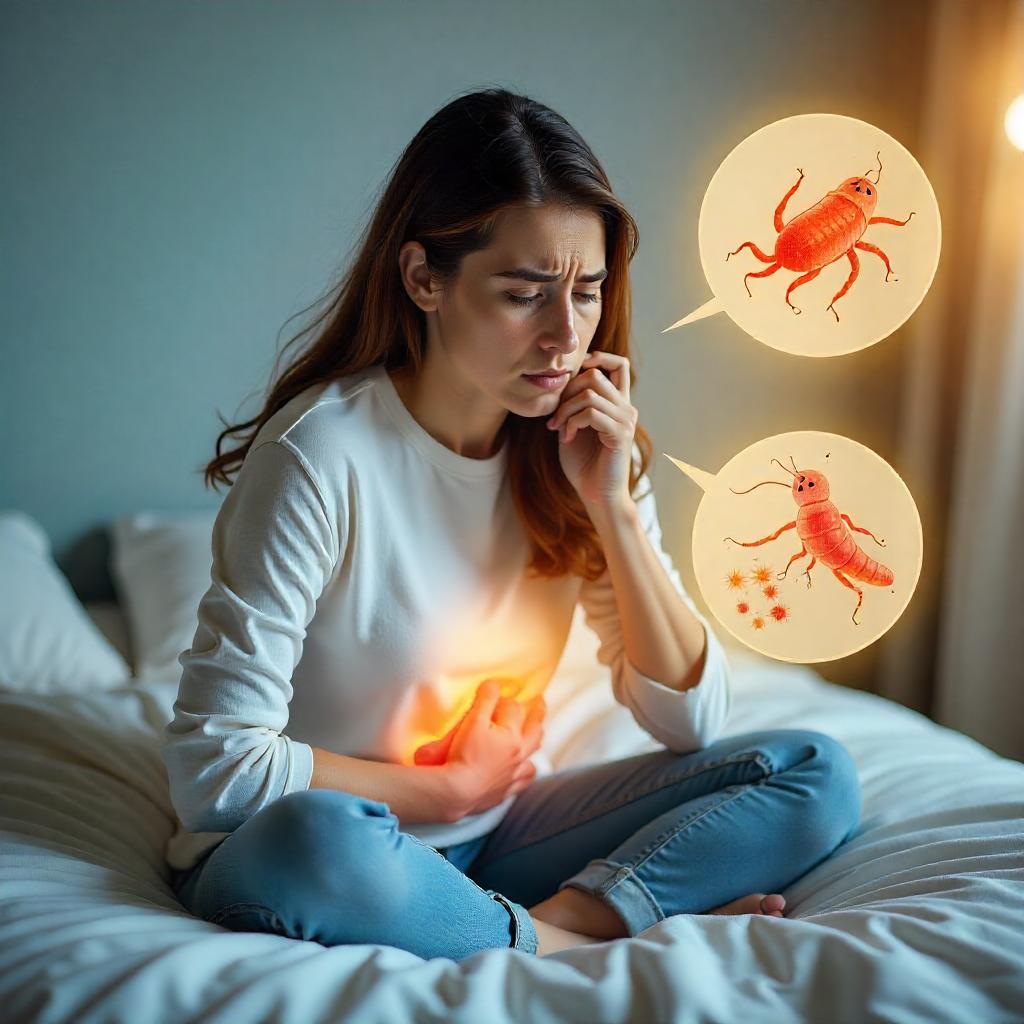
Parasitic infections are more prevalent in human populations than is commonly acknowledged. By definition, a parasite occupies a host in an endosymbiotic or ectosymbiotic manner, acquiring nutrients through host metabolic or immunological products, often at the expense of the host’s physiological wellbeing. Representing a broad taxonomic spectrum, these organisms vary in scale from protozoa that escape the unaided eye to large helminths such as cestodes and nematodes. Transmission routes frequently encompass ingestion of contaminated comestibles or aquifers, exposure to soil or arthropod vectors, and interpersonal horizontal or vertical transfer.
Although not all parasitic entities provoke debilitating morbidity, many generate symptoms that warrant prompt clinical appraisal. The timing and context of the host’s symptomatology play a crucial role in not only corroborating the diagnosis but also in obviating severe sequelae. The following discussion delineates key symptom clusters and their pathophysiological underpinnings.
Therapeutic stratagems frequently incorporate anthelmintic agents tailored to the parasite in question, including Ivermectin 12 mg Buy, Albendazole, or Metronidazole. Complementary interventions, such as phytotherapeutic modalities or dietary modulation, may facilitate recovery, yet complete clearance generally necessitates a documented pharmacological protocol.
Gastrointestinal Dysregulation
Gastrointestinal tissue is the predominant ecological niche for enteric and luminal parasites. Given that most infections begin by the fecal-oral route, parasites migrate to the intestinal lumen. The clinical manifestations that emerge include:
Altered bowel habit: Recurrent or erratic episodes of diarrhea coexisting with constipation often obfuscate the clinical picture. Affected parasites liberate metabolites that induce enteric neuroendocrine activation, resulting in secretory diarrhea, while luminal obstruction from helminth masses may simultaneously precipitate stasis and constipation.
Increased luminal distension and excessive flatulence: Patients often volunteer reports of post-prandial distension disproportionate to caloric intake. Rod-shaped nematodes or protozoa may generate luminal substrates through metabolic processes, leading to hyperfermentation and resultant gas.
Visceral discomfort: Abdominal discomfort—typically cramp-like in nature—may mimic or be mistaken for the insidious course of irritable bowel syndrome. The clinical overlap between parasitic infections and functional bowel disorders underscores the necessity for thorough stool analyses and, where indicated, endoscopy for accurate differentiation.
Foul or Oily Bowel Movements: Certain intestinal parasites impair the absorption of dietary lipids, resulting in steatorrhea, or excessively fatty stools, that may both float and possess an unusually pungent odor. Detached, pale, and malodorous, these stools serve as an early clinical indicator.
Unexplained Lethargy and Effort: Parasitic species are adapted to supplant host nutrients through prolonged gastrointestinal colonization, thereby inducing: chronic fatigue, a pervasive exhaustion that persists even in well-rested patients; and anergy, or reduced physical stamina. Associated nutrient deficiencies, particularly of iron and cobalamin, are frequent with hematophagous species, compounding the host’s energy deficit.
Altered Adipose Measures: Rapid and unintentional adjustments in body weight, in the absence of behavioral change, have particular relevance to parasitosis. Reduced adipose tissue in the context of increased nutrient competition, or sudden weight loss, is a common presentation. Contrariwise, some parasites may biologically influence the hypothalamic appetite center, inducing cravings for refined carbohydrates, thereby secondarily gaining weight.
Dermatological Manifestations: Parasitic inflammation often occurs cutaneously through hematologic or immunologic mediators. Acute migraine medications, for instance, provoke pruritic urticaria or eczematous scaling as a hypersensitivity response. Certain species of Dirofilaria and Strongyloides may penetrate the dermis, provoking histologically evident ulcerative lesions.
Anemia
Helminths such as hookworms form attachments to the intestinal epithelium and extract substantial quantities of blood. Progressive blood loss results in the following clinical manifestations:
- Decreased erythrocyte volume
- Skin pallor
- Dyspnea on minimal exertion
- Light-headedness
Failure to address the resultant microcytic hypochromic anemia exposes vulnerable populations, particularly young children and pregnant individuals, to the risk of cardiovascular compromise and developmental sequelae.
Sleep and Mood Disturbances
Neurotropic parasites may exert modulatory influence on central and peripheral nervous circuits, producing:
Delayed sleep onset or maintenance insomnia
Nocturnal restlessness, possibly attributable to heightened parasitic motility during sleep epochs
Bruxism, likely secondary to autonomic dysregulation
Subclinical affective lability, anxiety spectrum disorders, or depressive manifestations, mediated through neurotransmitter disruption and micronutrient depletion
Headaches and Body Pain
Bioactive metabolites secreted by invasive parasites may enter the systemic circulation, provoking:
- Episodes of cephalalgia
- Arthralgias or myalgias of variable localization
- Uniform systemic asthenia
These symptom complexes may resemble rheumatoid, systemic lupus, or chronic fatigue pathologies.
Neurological Symptoms
Occasionally, parasites direct involvement of central nervous structures is detected, especially in the context of Toxoplasma gondii or Echinococcus spp. larval infestation. Manifestations may consist of:
Paroxysmal seizures
Subacute or chronic cognitive disorganization
Impairment in attentional reserves and memory retrieval
Visible Signs
Direct evidentiary confirmation of parasitic infestations may be ascertained, through visualization of organisms or ova within bodily secretions.
Worms in Stool: Visible evidence may include roundworms, pinworms, or fragments of tapeworms.
Perianal Itching: Pinworm infection characteristically induces nocturnal pruritus, prompting meticulous attention.
Heightened Susceptibility to Illness or Diminished Immune Function
Parasitosis exerts a notable burden upon the host’s immune apparatus, which in turn may manifest through:
Recurrent upper-respiratory or other opportunistic infections.
Prolonged convalescence following infectious episodes.
A generalized hyporeactive immune state.
When to Consult a Physician
Persistent gastrointestinal disturbance, unexplained asthenia, fluctuating body weight, or any constellation of the above-mentioned signs warrants prompt medical evaluation. Diagnostic protocol typically comprises:
Stool microscopy or culture for ova, larval forms, or fragments of adult helminths. If you want to buy parasite infection medication then visit Meds4shop with Free Shipping in the USA,UK,and Australia with the cheapest price.
Serological studies for parasite-specific antibodies or associated hypochromic anemia.
Imaging studies, reserved for advanced cases in which organ invasion occurs, may include ultrasound, CT, or MRI.
Concluding Considerations
Infection by helminths or protozoa spans a spectrum from benign to life-threatening, yet clinical complacency remains ill-advised. Dysregulation of gastrointestinal function, protracted malaise, cutaneous manifestations, and abnormal weight trajectories represent unequivocal alarm signals. Timely recognition and judicious intervention can obviate sequelae of persistence and unequivocally restore homeostasis.
Effective control of parasitic infections is underpinned by the simultaneous implementation of several interrelated public and personal health measures. Adherence to rigorous hygiene practices, including frequent hand washing and the avoidance of soil ingestion, markedly reduces the risk of pathogen acquisition. In parallel, safe food preparation—characterized by thorough cooking and the washing of raw produce—diminishes the likelihood of foodborne transmission. The use of safe, treated drinking water remains a cornerstone of preventive strategy, particularly in areas where waterborne parasites are endemic. Lastly, routine medical check-ups enable early detection of infections, permitting timely intervention and reducing the risk of transmission. Should symptomatic manifestations, such as gastrointestinal disturbances, weight loss, or dermal lesions, arise, immediate evaluation by a qualified health provider is imperative to secure accurate diagnosis and to initiate appropriately targeted antiparasitic therapy.